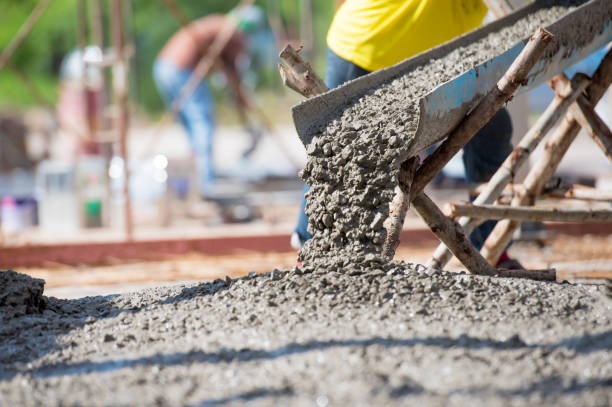
In construction, material selection affects both the quality of the work and its long-term performance. One commonly used material is cement mortar, which serves as a binding paste for brickwork, plastering, patching, and surface finishing. It is made by combining cement, fine sand, and water in suitable proportions to create a workable mixture. Because it is widely used across residential, commercial, and small-scale repair projects, understanding its purpose and variations is helpful for contractors, builders, and property owners alike.
What It Is and Why It Matters
This material is primarily used to bind masonry units, level uneven surfaces, and fill joints between bricks or blocks. Unlike concrete, which contains coarse aggregate, mortar has a smoother consistency that makes it easier to spread and shape during application. Its role may seem straightforward, but the correct mix and application method can influence bonding strength, durability, and resistance to cracking.
The performance of cement mortar depends on several factors, including the water-cement ratio, sand quality, curing conditions, and the intended use. A mix prepared for plastering may differ from one used for bricklaying, as each task requires different levels of strength and workability. For that reason, it is important to match the material to the job rather than relying on a single standard mix for every application.
Common Types and Uses
Mortar can be classified by mix ratio and by function. Richer mixes, which contain more cement, are generally used where higher strength is needed. Leaner mixes may be suitable for non-load-bearing work or finishing applications. In practical terms, it is often used for laying bricks and blocks, internal and external plastering, tile bedding, and minor surface repairs.
Pre-mixed solutions are also becoming more common in modern construction environments. These products can help improve consistency on site, reduce material waste, and simplify preparation for teams that need predictable performance. They are especially useful in projects where time, storage space, or labour efficiency is a concern.
How to Choose the Right Option
Choosing the right mix starts with identifying the application. Bricklaying typically requires good adhesion and moderate strength, while plastering may need smoother workability and a more refined finish. Environmental exposure also matters. Areas exposed to rain, moisture, or temperature variation may require closer attention to mix quality and curing practice.
It is also worth considering whether site-mixed or factory-prepared materials are more appropriate. Site mixing offers flexibility, but consistency can vary if measurements are not controlled carefully. Pre-batched products can support better uniformity, particularly for repeat applications or larger projects where quality control is important.
Final Thoughts
Cement mortar remains an essential part of general construction because of its versatility, ease of use, and suitability for a wide range of finishing and masonry tasks. When selected and applied correctly, it can support stronger bonding, cleaner finishes, and more reliable project outcomes. For those planning building or repair work, reviewing the specifications of cement mortar before use is a practical step toward achieving a more consistent result.