
Malaysia Colocation: A Guide to Data Centre Infrastructure
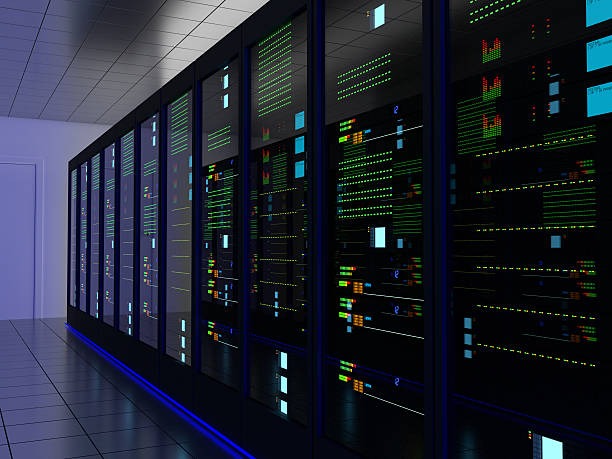
Businesses increasingly depend on servers, applications and digital platforms to support everyday operations. Maintaining this infrastructure entirely within an office can require substantial investment in power, cooling, connectivity and physical security. malaysia colocation provides an alternative by allowing organisations to place their own IT equipment within a professionally managed data centre.
This arrangement can suit businesses that want to retain ownership of their servers while benefiting from infrastructure specifically designed for computing equipment. Choosing an appropriate colocation environment requires careful assessment of technical requirements, service responsibilities and future growth plans.
What Is Data Centre Colocation?
Colocation is a service in which an organisation rents space within a third-party data centre for servers, storage systems and networking hardware. Depending on its requirements, a business may use individual rack units, complete cabinets or a larger dedicated area.
Companies considering malaysia colocation should begin by identifying their equipment footprint, power requirements and network needs. Understanding these factors makes it easier to compare facilities and determine how much capacity is necessary.
Evaluate Power and Cooling Infrastructure
Servers require reliable electricity and suitable environmental conditions. Data centres generally provide dedicated power distribution and cooling systems designed to support IT equipment for extended periods.
Businesses should review available power capacity, redundancy arrangements and backup systems when evaluating potential facilities. Cooling is equally important because servers continuously generate heat during operation.
Higher-density equipment may require additional consideration to ensure that the selected environment can support its power and cooling demands.
Consider Connectivity Requirements
Network connectivity is a major component of malaysia colocation because hosted systems often need to communicate with offices, customers, cloud platforms and other locations.
Organisations should assess bandwidth requirements, available carriers and network redundancy. Applications that depend on responsive connections may also require consideration of latency and routing.
Understanding connectivity requirements before moving equipment can help businesses design an infrastructure arrangement suited to their workloads.
Review Physical Security
Placing servers in an external facility changes how physical access is managed. Businesses should understand the procedures used to control entry to the data centre and individual equipment areas.
Security measures can include controlled access, surveillance and restrictions on who may enter particular areas. Organisations should also maintain internal policies identifying employees and contractors authorised to access colocated equipment.
Plan for Future Scalability
Infrastructure needs can change as businesses expand, introduce new applications or process larger quantities of data. A suitable facility should therefore be evaluated for both current requirements and reasonable future growth.
Companies can ask how additional rack space, power capacity or connectivity can be added. Understanding expansion procedures and associated costs can make long-term infrastructure planning more predictable.
Clarify Support Responsibilities
Colocation does not necessarily include complete management of customer-owned hardware or software. Responsibilities vary according to the service agreement.
Before selecting a provider, organisations should clarify who handles hardware installation, monitoring, maintenance and incident response. Available technical assistance and escalation procedures should also be reviewed.
Consider Business Continuity
Businesses should consider how colocated infrastructure fits within broader backup and disaster recovery plans. Hosting equipment in a dedicated facility does not eliminate the need for data protection and recovery procedures.
Regularly reviewing these arrangements can help ensure that critical systems remain appropriately protected as technology requirements evolve.
Conclusion
malaysia colocation can provide organisations with a specialised environment for housing business-owned servers and networking equipment. Power, cooling, connectivity, physical security, scalability and technical support should all be considered when comparing facilities. A clearly planned colocation strategy can help businesses align their infrastructure environment with current operational requirements and future technology needs.