
Learn what a stick pod is, how it works, and what to check before choosing the right stick pod for daily use.
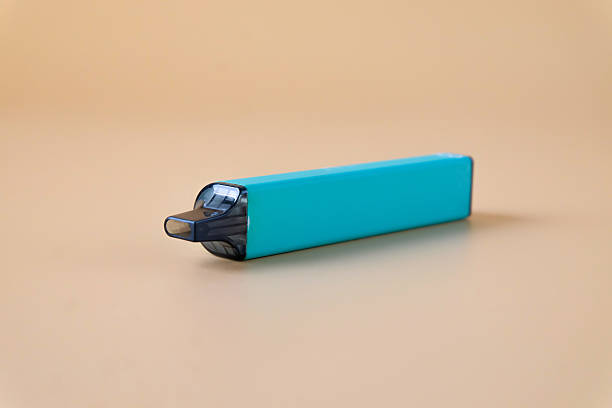
Stick pod
A stick pod is a slim, portable device designed for simple everyday use, usually valued for its compact shape, ease of handling, and straightforward setup. It appeals to users who want a product that is easy to carry, store, and operate without dealing with bulky accessories or a steep learning curve.
In many cases, buyers are not just comparing size. They are also looking at convenience, build quality, maintenance needs, and how comfortably the device fits into a daily routine. For product details and brand information, stick pod options are often explored as part of a broader comparison process.
What should you know before choosing one?
Before selecting a device in this category, start with the basics: portability, material quality, and overall user experience. A slim design may look appealing, but dimensions alone do not tell the full story. Weight distribution, grip, and how the product feels during regular handling can all affect long-term satisfaction.
It is also useful to check how the device is maintained. A product that seems convenient at first may become less practical if it requires frequent replacement parts, difficult cleaning, or inconsistent performance. Neutral, informative product research matters here because it helps buyers focus on real usability rather than marketing language.
Another point to consider is whether the product suits occasional or regular use. Some buyers want something minimal for light use, while others need a more durable option that can handle repeated use over time. Clarifying this early can narrow the field and make comparisons much easier.
Features that often influence buying decisions
Build quality is usually one of the first factors people notice after appearance. A well-made product tends to feel more stable, more comfortable to hold, and more reliable in day-to-day use. This does not always mean choosing the most expensive option, but it does mean looking closely at materials, assembly, and finish.
Battery-related convenience, charging habits, and portability may also matter depending on the type of product being considered. Buyers often prefer designs that reduce friction in everyday use. That could mean faster setup, easier storage, or fewer separate components to manage.
Design simplicity can be another strength. A cleaner design often supports a smoother experience because there is less confusion around operation and upkeep. For many users, a practical design is more valuable than extra features that add complexity without improving results.
How to compare options objectively
The best way to compare products is to look at intended use first and features second. A device that works well for one person may not be the right fit for another. Reviews can help, but personal priorities should guide the final decision.
Focus on a few clear questions. Is it comfortable to use? Does it appear durable enough for your routine? Will maintenance feel manageable over time? These questions usually reveal more than broad claims about performance.
A careful comparison also helps avoid common mistakes such as choosing based only on appearance or price. Both matter, but they should be balanced with quality, practicality, and ease of use.
Final thoughts
A good stick pod should support convenience, consistent use, and a design that matches the buyer’s routine rather than complicating it. When evaluating your options, focus on build, usability, and maintenance instead of surface-level features alone. Explore the available range carefully and choose a solution that fits your needs with confidence.